








 Web Trader MT5








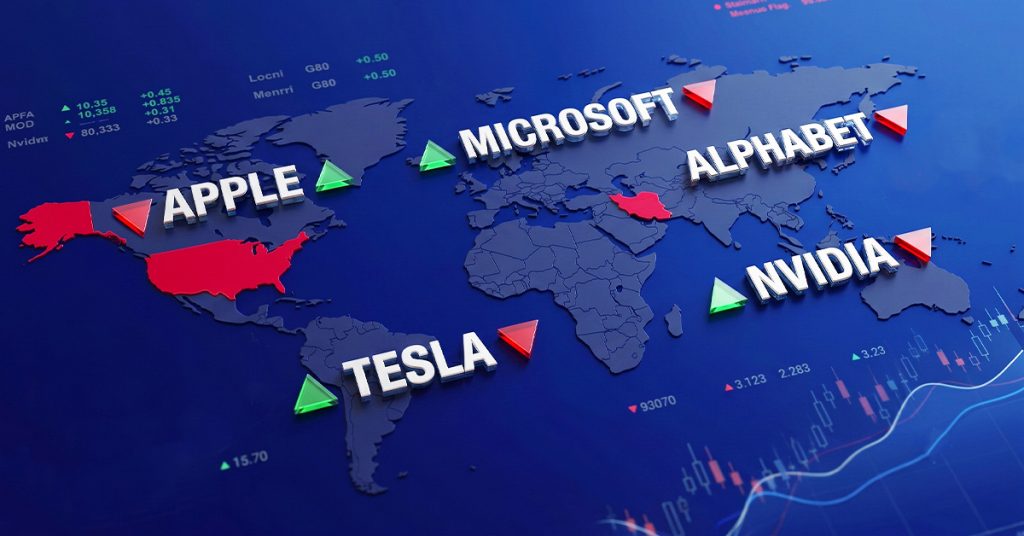
U.S. stock futures moved lower on Wednesday after the United States launched military strikes against Iran raising concerns about a broader escalation in the Middle East. S&P 500 futures fell 0.5%. Nasdaq 100 futures dropped 0.8%. Dow futures declined nearly 0.3%. Asian markets also weakened, led by a more than 2% drop in South Korea’s Kospi, while Japan’s Nikkei and Australia’s ASX 200 traded lower.
The geopolitical tensions pushed oil prices higher, with WTI crude rising about 1% to around $89 per barrel, as investors worried about potential disruptions to global energy supplies and the fragile U.S.-Iran ceasefire.
On Wall Street, technology stocks remained under pressure. Semiconductor and memory-chip shares continued their recent correction, dragging the S&P 500 and Nasdaq lower on Tuesday.
In China, producer inflation accelerated sharply in May, reaching its highest level in nearly four years, while consumer inflation remained relatively subdued. The Producer Price Index (PPI) rose 3.9% year over year, exceeding expectations and marking the strongest increase since July 2022. The Consumer Price Index (CPI) increased 1.2%, slightly below forecasts of 1.3%.
The surge in wholesale prices was driven by rising commodity and energy costs linked to the Iran conflict, which has disrupted shipping and raw material flows through the Strait of Hormuz.
Gold prices came under heavy selling pressure on Wednesday, falling below the key $4,200 level and reaching their lowest point since late March. The decline is being driven by escalating tensions between the U.S. and Iran that pushed oil prices higher, increasing concerns that inflation could remain elevated. Higher inflation expectations have strengthened market bets that the Federal Reserve may keep monetary policy tighter for longer, reducing the appeal of non-yielding assets such as gold. Gold also faced additional selling pressure after breaking below its important 200-day moving average, triggering technical selling.
Markets are now pricing in roughly a 75% probability of a Federal Reserve rate hike by year end, largely due to concerns that rising energy costs could keep inflation elevated. Investors are awaiting the upcoming U.S. Consumer Price Index (CPI) report, which could provide important clues about the Fed’s next policy moves.
Tags


Open Live Account
 Email Address
 Phone Number
Important Notice
STARTRADER does not accept any applications from Australian residents.
To comply with regulatory requirements, clicking the button will redirect you to the STARTRADER website operated by STARTRADER PRIME GLOBAL PTY LTD (ABN 65 156 005 668), an authorized Australian Financial Services Licence holder (AFSL no. 421210) regulated by the Australian Securities and Investments Commission.
Important Notice for Residents of the United Arab Emirates
In alignment with local regulatory requirements, individuals residing in the United Arab Emirates are requested to proceed via our dedicated regional platform at startrader.ae, which is operated by STARTRADER Global Financial Consultation & Financial Analysis L.L.C.. This entity is licensed by the UAE Capital Market Authority (CMA) under License No. 20200000241, and is authorised to introduce financial services and promote financial products in the UAE.
Please click the "Continue" button below to be redirected.


