








 Web Trader MT5










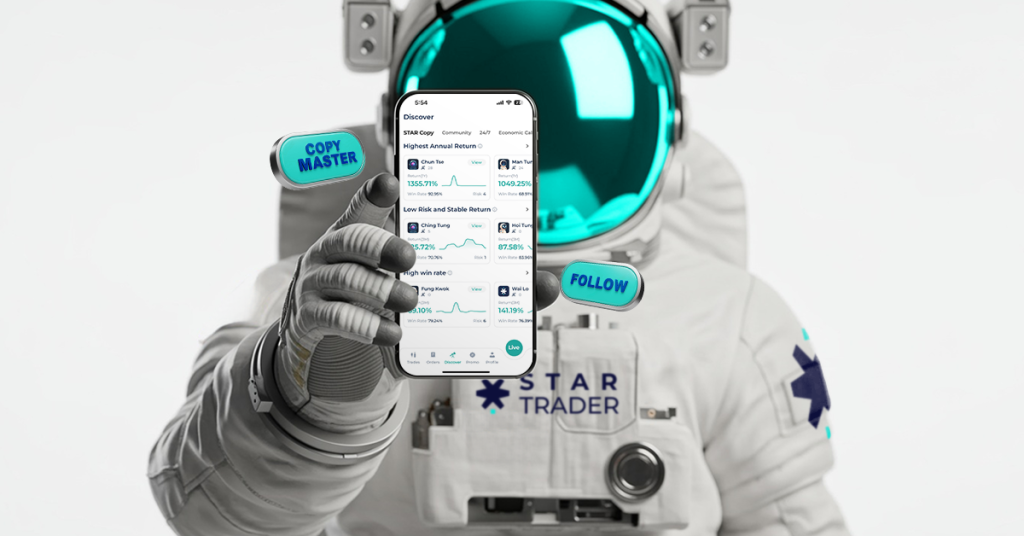
Are you interested in trading but do not know how to begin? Here is the good news.
Copy trading gives you the ability to automatically copy successful traders. There is no need to use a complex chart or market language.
You see, it is like this: professional traders take action, and you can follow their example. Your trades occur when they buy and sell.
The best part is that it is ideal for those who are new to trading because they do not have to waste months trying to learn it all first.
This guide will explain to you step by step how copy trading works. You will know what to do, to begin with and what things to avoid.
What Is Copy Trading and How Does It Work?
Copy trading means you can let a system make the same trades as someone else. Whenever they buy or sell, your account follows the same action automatically. It means you allow another person to make the trading decisions while you watch.
Sometimes, you may encounter these additional phrases:
- Social Trading – This gives you more options than copy trading does. These systems provide forums for traders to chat with one another and come up with new strategies.
- Mirror Trading – It is almost the same as copy trading. Many times, people use these terms in the same way.
- Automated Replication – This is the tool that copies trade operations from one account to another without needing manual action.
They tie your account to another person’s trades or transactions. The platform takes care of the entire copying process.
How Copy Trading Actually Works
The process is mostly automatic and works like this:
- Account Linking – You connect part of your money to follow a specific trader on the platform.
- Signal Following – When that trader makes a move, the platform gets a signal about what they did.
- Real-time Copying – Your account copies their trade almost right away.
- Proportional Sizing – If they use 5% of their money, you use 5% of yours too. Some platforms let you change this setting.
Here’s an example: Say you put $1,000 toward copying someone. If they use 10% of their account on a trade, the platform would use $100 from your allocated amount.
The whole thing happens without you having to do anything once it’s set up.
Does It Really Work?
Copy trading can work, but it’s not magic. There are good and bad sides to consider.
The Good Parts:
- Beginners can start without knowing much about markets
- You save time since trades happen automatically
- You can watch and learn from other traders
- Some platforms let you follow multiple people
The Not-So-Good Parts:
- You lose money when the trader you copy loses money
- Platforms charge fees that eat into your account
- You can’t control what trades happen
- Finding good traders to follow is really hard
The biggest thing to remember? Past results don’t tell you what will happen next. Just because someone did well before doesn’t mean they will keep doing well.
Is Copy Trading Legal?
Generally, copy trading is legal, but regulations may differ from one country to another. Regulators are paying increasing focus on this area now.
Platforms in Europe, the UK and Australia are required to have proper licenses. Both the SEC and CFTC in the US enforce tough rules for the industry. Always select platforms that are regulated.
India’s laws are not yet fully formed. SEBI manages the rules for trading, so Indians should opt for platforms from its list of authorized and regulated sites.
Each Canadian province creates and handles its own regulations. Any company operating a platform must first register it with local securities regulators. Canadians should make sure that the platform they are using is officially registered.
There are frequent updates to the rules. It is important to get the latest information from your local financial authorities. Make sure the rules you use are up to date before you choose platforms.
How to Start Copy Trading (Step-by-Step)
Here’s how copy trading works if you decide to try it:
Step 1: Pick Your Copy Trading Platform
This decision is very important. This is what you should check:
- Is there any regulation on the platform? Find adequate licenses with the financial authorities. This assists in safeguarding you.
- Does it offer a large selection of traders? You desire choices that have evident track records you may peruse.
- Which markets does it serve? Some are specialized in forex, others in stocks or crypto. Choose what you are interested in.
- How much are the charges? Platforms have varying charges. Some charge commissions, others performance fees, and others spread.
- Is it user-friendly? The interface must be sensible, particularly when you are new at it.
- Does it contain tools of safety? Look at such features as stop-losses and methods to manage the extent of copying.
- How is their customer service? Quality assistance spares you from problems in the future.
Among the common platforms, it is possible to distinguish STARTRADER, a platform that has a user-friendly interface and provides a large number of trading instruments. Before selecting any platform, research on your own.
Step 2: Create Your Account
Once you pick a platform, you’ll register by:
- Adding your email and creating a password
- Filling out forms with your name, address, and birth date
- Answering questions about your trading background and financial situation
This last part is required by law in most places.
Step 3: Prove Who You Are
This is called KYC (Know Your Customer). It’s standard practice.
You’ll upload:
- ID proof, like a passport or driver’s license
- Address proof, like a utility bill or bank statement
This can take a few hours to a couple of days to process
Step 4: Add Money to Your Account
After verification, you can deposit money using:
- Bank transfers
- Credit or debit cards
- E-wallets like PayPal or Skrill
Check minimum deposit amounts and any fees first.
Step 5: Find a Trader to Copy
This takes research. Look at trader profiles and check:
- Their performance history over time, not just recent results
- Risk scores that platforms assign
- How many people copy them and how much money they manage
- What they trade and their style
- Their maximum drawdown (the biggest losses they’ve had)
- Whether they explain their thinking
For example, you might see a trader with a 4/10 risk score who trades forex pairs. Compare several before deciding.
Step 6: Set Your Risk Limits
Decide how much money to allocate to each trader.
Set up safety measures:
- Copy stop-loss limits that automatically stop copying if losses hit a certain point
- Choose between copying trades proportionally or using fixed amounts
- Consider following multiple traders instead of just one
Step 7: Start Copying Trades
Usually, just click the “Copy” button and confirm your settings.
The platform handles the rest. Take time to learn the dashboard.
Step 8: Keep Track and Make Changes
Copy trading isn’t automatic once you start. You need to:
- Check how your copied trades are doing regularly
- Watch for changes in trader performance or strategy
- Stop copying traders who consistently underperform
- Adjust your approach as your situation changes
Remember, you can usually stop copying anyone at any time. Stay involved in managing your account even though the trades happen automatically.
Best Copy Trading Platforms and Tools
When looking for a good environment for copy trading, it’s less about finding “the best” single platform and more about finding the one that best suits your needs.
What Good Platforms Offer
Rather than a definitive list, here are some of the key things that good platforms like STARTRADER generally offer:
- Transparency: Clear information on trader performance, risk metrics, and fees.
- Wide Selection of Traders: A diverse pool of traders with verifiable track records.
- Robust Technology: Fast and reliable trade execution.
- Educational Resources: Helpful for beginners to learn more about trading and the platform.
- Responsive Customer Service: Important if you encounter issues.
Features You Should Look For
Here are the key features to look for in a trading platform:
- Regulatory oversight is one of the most important factors to consider when selecting a broker. Always choose brokers that are licensed and regulated by reputable financial authorities such as the FCA (UK), ASIC (Australia), or other governing bodies in the country you choose.
- Interface (UI): This should support users in an easy and intuitive way, mainly for easier understanding by newcomers.
- Risk Management: Features that help, such as copy stop-loss for each trade, the ability to change trade sizes, and clear risk scores.
- Supported Markets: You have the choice to trade Forex, stocks, commodities, cryptocurrencies, and indices according to what you enjoy.
- Fees and Commissions: Make sure you understand all costs connected to the funds, including spreads, commissions, performance fees, and fees for trades processed after the market closes
- Withdrawal Process: Withdrawing your earnings should not be complicated and ought to happen right away.
What Makes Platforms Different
Some platforms differentiate themselves with:
- Strong Social Community Features: Allowing interaction with other traders, forums, and sentiment indicators.
- Advanced Filtering Tools: Helping you narrow down the best traders based on very specific criteria.
- Proprietary Risk Management Tools: Unique algorithms or settings to help you control risk.
- Mobile Apps: Full-featured mobile apps for trading and monitoring on the go.
- Demo Accounts: The ability to practice with virtual money before committing real funds is a huge plus.
Why Beginners Like Copy Trading
Copy trading may appear to be the ideal solution to beginners, and it is in several senses. Here’s why:
- Low Learning Curve: You do not have to master technical or fundamental analysis in order to begin.
- Time Saver: There is no necessity to spend hours investigating each trade, nor is there a need to spend many hours observing charts.
- Learn by Observing: You are able to watch what more experienced traders do and possibly discover what does and does not work.
- Less Emotional Barrier: Trades are made automatically according to the decisions of the other person, and thus may eliminate the emotional burden of passing your own trading calls (you can still find it emotional when you have a loss).
Tips for Getting Started
These are the guidelines on how to start copy trading:
- Start Small: Start with an amount that you are more than comfortable losing.
- First Trial With a Demo Account: In case you are offered to do it, you can use a demo account in order to get an idea of how the platform and copy trading can work without losing your money.
- Conduct Research Carefully: You should not be quick to select the trader who has yielded the best returns in the recent past. Participate in their history, risk profile, and strategy.
- Know the risks: It is very important to always know that a loss can occur.
- Long-Term Learning: Do not only look at copy trading as a source of passive income but focus on educating yourself about markets.
Mistakes You Should Avoid
As you copy your trades, you’re bound to make some mistakes. Look out for these key ones you should avoid:
- Copying Blindly: Not doing enough research on the trader you’re copying.
- Over-Allocating Funds: Putting too much money into one trader or into copy trading in general.
- Chasing Past Performance: Assuming a trader who did well last month will do well next month. Markets change, and so can trader performance.
- Ignoring Risk Management: Not setting a copy stop-loss or other risk parameters.
- Lack of Diversification: Relying on a single trader. If they have a bad run, your entire copied portfolio suffers.
- Emotional Reactions: Panicking and stopping a copy during a small drawdown, or getting overly greedy after a few wins.
- Forgetting about Fees: Not factoring in how fees can impact overall results.
How to Stay Safe
To stay safe as you copy trades, you should do the following:
- Choose Regulated Platforms: This is your first line of defense.
- Secure Your Account: Use strong passwords and enable two-factor authentication (2FA).
- Set Realistic Expectations: Copy trading isn’t a get-rich-quick scheme.
- Monitor Regularly: Keep an eye on your investments and the traders you’re copying.
- Learn from the Community (if available): Social trading features can provide insights, but always filter information critically.
- Never Invest More Than You Can Afford to Lose: This is a golden rule for any type of trading or investment.
Copy Trading Signals and What They Mean
A “signal” in copy trading refers to the trade action taken by the trader you are following (buying, selling, or setting stop-loss or take-profit orders).
As soon as they trade, the platform follows this step by trading the same amount or value with your funds.
Many people use Forex and Commodity Signals when they copy trade. For example, a signal provided by a trader can come from analyzing values or price movements in the EUR/USD or Gold.
If they predict that EUR/USD is going to rise, they’ll buy, and your trading bot will match their action.
How to Check Trader Performance
Platforms will offer different filters and gauges in order to decide which traders to copy:
Historical Performance: Return over different times (for example, 1 month, 6 months, or 1 year).
Drawdown: The percentage that falls from the highest point in the trader’s equity. When the maximum drawdown is lower, then the chances of better risk management are achieved during losing episodes.
Risk Score: A self-assessment by the platform that shows the level of risk as a trader.
Risk-Reward Ratio: This is a ratio of profit that may be earned per unit of risk taken.
Win Rate: The percentage of profitable trades. (Note: A high win rate is no guarantee of high profit, provided the losing trades are much bigger than the winning trades.)
Average Trade Duration: Displays whether they are a short-term trader or a long-term trader.
Frequently Traded Instruments: What assets are they concentrating on?
Managing Your Risk
You’re still responsible for your own risk, even when copying others.
- Stop-Loss Limits – Set a limit on how much you’re willing to lose on each trader. If losses hit that point, the platform stops copying automatically.
- Position Sizing – Don’t put all your money on one trader. Spread it around to reduce risk.
- Diversification – Copy multiple traders with different approaches. One might trade tech stocks while another trades currency pairs. This way, if one does poorly, others might balance it out.
- Regular Reviews – Check your copied traders’ performance regularly. Things change over time.
How This Affects Your Trades
Whatever the traders you copy perform has a direct impact on your account. Good decisions on their part mean good reports on your account.
When they do not make good decisions or are on a losing streak, it reflects in your account as well. The speed and the accuracy of copying trades taken by the platform also count on your outcomes.
FAQs
Copy trading can be profitable, but there are no guarantees. The amount of profit you could potentially earn often depends on the traders you choose, the state of the market, the fees you are charged, and the way you manage your risks. A lot of individuals also end up losing their investments.
Research. Evaluate how they have done historically, as well as their riskiness, greatest drawdown, the assets they deal with, and how they carry out their strategies. Check that their strategy supports your level of risk tolerance. Start with little money or practice trading on a test account to check their performance first.
Should the trader you are copying have losses in their trading, your account will share in the losses on the trades you copy. This is one of the main risks that come with copy trading.
Stopping your copy trade from another trader is possible on most platforms at any moment. Often, you have the option to manually shut down any open positions that you copied.
Copy trading is an intelligent aspect of trade without necessarily spending years to trade. You may do it by following other traders who are experienced and learn the ropes as you go.
However, do not think that it is some kind of magic money-making machine. You still must select good traders and observe investments.
There is a demo account to start with. Learn to choose traders and the way everything works with no real money. Create a demo account now and begin your copy trading experience on a good note.
Try the STARTRADER Copy Trading Platform — explore top traders, set your risk levels, and start copying trades in just a few clicks.
Tags


Open Live Account
 Email Address
 Phone Number
Important Notice
STARTRADER does not accept any applications from Australian residents.
To comply with regulatory requirements, clicking the button will redirect you to the STARTRADER website operated by STARTRADER PRIME GLOBAL PTY LTD (ABN 65 156 005 668), an authorized Australian Financial Services Licence holder (AFSL no. 421210) regulated by the Australian Securities and Investments Commission.
Important Notice for Residents of the United Arab Emirates
In alignment with local regulatory requirements, individuals residing in the United Arab Emirates are requested to proceed via our dedicated regional platform at startrader.ae, which is operated by STARTRADER Global Financial Consultation & Financial Analysis L.L.C.. This entity is licensed by the UAE Capital Market Authority (CMA) under License No. 20200000241, and is authorised to introduce financial services and promote financial products in the UAE.
Please click the "Continue" button below to be redirected.


