








 Web Trader MT5










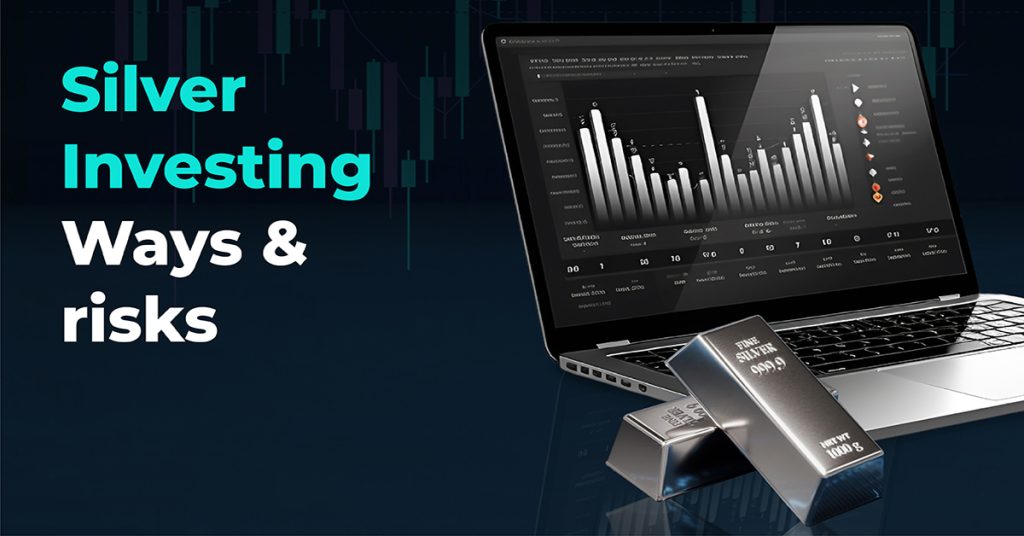
Thinking of adding some sparkle to your investment portfolio? Gold may be the first precious metal that comes to mind, but have you considered investing in silver? In silver investing, the challenges can’t be overlooked, but there are also unique opportunities.
Silver is not as universally held as gold, but we can’t deny that it’s an essential commodity. Thus, its price dynamics are distinct and fascinating. This guide will explore how to invest in silver in India, whether it’s a good idea, the different ways of acquisition, potential returns, and the significant risks of silver investing.
Quick Answers
- Silver can be a valuable investment for diversification. However, it’s more volatile than gold and generates no income.
- The best way for a beginner to invest in silver in India is through a Fund of Funds or silver ETFs. These need a registered broker and a Demat account.
- The jewellery is not recommended because it involves making charges, but you can buy sovereign-minted bars or coins.
- Silver futures suit experienced traders best. Beginners may become confused because of the rollover costs and leverage risks.
- Don’t see silver core holding, but treat it as a small satellite allocation in your investment portfolio.
Silver Investing Basics
As mentioned earlier, silver serves as both a precious metal and an essential industrial commodity, making it a unique investment. As a precious metal, silver is valued for its lustre, rarity, and bullion. It’s often compared to gold in terms of value.
However, most of the world’s silver supply, which is over 50%, goes to industries, unlike gold. This demand from sectors is the reason silver’s price is tied to economic cycles.
The silver price is set internationally in US dollars. The immediate delivery rate is called the spot price. In India, it is converted to Rupees using the USD/INR rate.
Many factors influence the global price of silver, including industrial use, mining levels, the world economy, and investment demand. For every Indian investor, silver investment holds a different meaning, depending on their goals.
Some use it as a hedge against inflation and an approach to diversification beyond bonds and stocks. Others view it as a speculative asset to capitalise on its price fluctuations.
Why Consider Silver? (Pros)
The significant benefits of silver investing include the potential for diversification, serving as a hedge against inflation, and experiencing strong industrial demand.
- Portfolio Diversification: Silver doesn’t move like stocks or bonds, which helps balance losses in other assets. When you add silver to your investment portfolio, you’re reducing some risk.
- Inflation Hedge: When inflation occurs, silver maintains its value. It protects you against the falling power of paper wealth. Many investors, especially the long-term ones, buy silver to protect their wealth.
- Industrial Demand: Silver is essential in EV batteries, solar panels, and electronics. Because of its constant use in green technology, demand continues to rise. According to the Silver Institute (2024), in 2025, global silver demand for the solar industry is expected to remain high, with projections being around 195 to 261 million ounces. This demand is part of the reason it has a long-term price.
Key Risks
Although silver investing offers several benefits, it also has risks. Some of the silver investing risks include physical security issues, high volatility, and its dependence on cyclical industrial demand.
- High Volatility vs Gold: The silver market has fewer buyers and sellers compared to the gold market. This causes the price to fluctuate quickly. Investors can see significant gains, but they also face the risk of steep losses.
- Cyclical Demand: Silver depends heavily on industrial use. Demand might drop quickly when the economy slows down. This means that its price changes more with cycles than gold’s.
- Storage & Purity Issues: Owning physical silver requires paying for storage and worrying about safety. You need to keep coins and bars safe to prevent theft. If buyers also purchase from untrustworthy vendors, they risk receiving counterfeit or substandard goods.
- Leverage Risk: When trading silver futures contracts, traders often use leverage. While you can gain profits, it can also cost you more money. A modest reduction in price can cause margin calls or wipe out funds.
Ways to Invest in Silver (India)
There are various options for Indian investors to get exposure to silver, including ETFs, physical coins and bars, and more, each with its own advantages and cons and level of skill needed. For most beginners, Silver exchange-traded funds or physical coins and bars are often considered the best silver investment in India. Futures contracts are just for experienced traders.
Silver ETFs & Fund-of-Funds
A silver ETF in India is a fund that buys physical silver and is overseen by SEBI. It acts like a stock on the exchange and needs a Demat account. AMFI states that at the end of August 2024, the Net Assets Under Management (AUM) for silver ETFs in India was ₹9,641.38 crore.
Silver Fund-of-Funds (FoFs) invest in ETFs, allowing you to invest without a Demat, making them more accessible to people without one.
Physical Silver Coins & Bars
Buying silver coins vs bars is the most common method. Bars are better for people who want to buy a lot of them and are priced closer to the spot rate. Silver coins are usually smaller. Always get hallmarked silver from well-known refiners, and avoid investing in jewellery since it’s costly to produce.
MCX Silver Futures
The MCX sells silver futures contracts in fixed lot sizes. These need margins and use leverage, which can make both earnings and losses bigger. This choice is risky and best suited only for experienced traders who can manage leverage and understand the market.
Digital Silver Platforms
You can purchase and sell silver online using “digital silver,” with the metal stored in a secure vault. It is easy to use, but it has platform and custody risks. Always choose suppliers who are regulated, who know their rates, and can deliver in person.
Costs, Liquidity & What You Actually Get
It’s essential to understand the actual cost of your silver investment. It’s not simply the spot price; you also have to think about fees, taxes, and transaction charges. The costs of investing in silver in India vary by method, and these costs impact your potential returns.
- ETFs/FoFs: These funds charge a nominal fee each year to administer them. When you trade, you also have to pay brokerage and DP fees. Even slight differences between purchasing and selling prices might reduce returns.
- Physical Silver: When you buy silver, you must pay extra fees or premiums on top of the spot price. There is a 3% GST on silver bullion coins, and jewellers can apply discounts when they resell them. Costs of storage, such as a bank locker, add to the total.
- Futures: When you trade futures contracts, you must pay brokerage and exchange costs. Long-term traders also have to pay “roll costs” when they switch to new contracts. These recurring costs might cut into profits.
- Key Point: The spot price is only the starting value. The real returns depend on all the costs of buying and selling. Liquidity is also significant because it’s easier to sell ETFs than large silver bars.
Silver vs Gold: Which Is Better?
Investors in precious metals often have to choose between silver and gold. Gold is considered a more solid, fundamental investment, while silver is a more speculative, cyclical asset. Both are good for diversification and as a hedge, though.
- Price Transparency & Liquidity: The gold market is bigger and more active than the silver market. As a result, prices are clearer and spreads are tighter. Buying and selling gold in large amounts is usually easier to do without changing its price.
- Volatility: As discussed, silver is much more volatile than gold. This means it can give you higher returns, but it also has a bigger risk. When it comes to the silver vs gold investing debate, it boils down to an investor’s risk tolerance.
- Use-Case: People typically think of gold as a safe-haven asset that does well when there’s a political or economic downturn. It’s a classic hedge.
Industrial activity has a bigger effect on the price of silver. If you believe the demand for goods and services in the industrial sector will increase, it can be a profitable investment.
Here is a table summarizing the key differences:
| Feature | Silver | Gold |
| Liquidity | Moderate | High |
| Volatility | High | Low to Moderate |
| Typical Spread | Wider | Tighter |
| Storage | More volume required for the same value | Less volume required for the same value |
| Best For | Speculative/cyclical play, smaller portfolio allocation | Core hedge, wealth preservation |
In terms of silver vs gold returns, gold’s long-term returns have been steadier and reliable, while silver’s returns have been more unpredictable and dependent on the economy.
Returns & How to Set Expectations
The primary returns from silver investments are through price appreciation, since it doesn’t pay dividends or interest. Unlike stocks that pay dividends or bonds that pay interest, silver doesn’t offer a return on investment.
The only way to make a profit is to sell it for more than you paid for it. When setting your expectations for silver returns, it’s essential to keep this in mind.
A review of historical silver price chart data in India reveals periods of substantial gains, as well as long periods of flat or declining prices. The World Gold Council states that silver returned around 7% CAGR over the last 20 years, while gold returned about 9–10%.
The price of silver might fluctuate considerably in a short amount of time, going up or down by a considerable percentage. This is why it’s usually better to invest in silver over the long run than to try to time the market.
You shouldn’t think of silver as an approach to get rich quickly; instead, think of it as a small, long-term investment in your portfolio.
How to Start (Step-by-Step)
If you’re new to investing in silver, it may seem daunting, but following a logical path can make it easier. For beginners, the ideal method to invest in silver is to pick between an ETF and physical metal and then follow a few basic steps.
- Choose Your Route: Choose between the ease and liquidity of a Silver ETF and the absolute security of silver coins and bars. An ETF is often the simplest way for a newcomer to begin with a small amount of money.
- Open Accounts: You will need to open a Demat and trading account with a SEBI-registered broker if you want to invest in a Silver ETF. If you prefer a Fund-of-Funds, you can open an account directly with a mutual fund firm. To buy physical silver, find a reputable merchant or jeweller.
- Verify & Certify: When buying real silver, always visit a reputable dealer and verify the item’s authenticity by checking for a hallmark or proof of purity. The typical purity level is 999 or 99.9%.
- Place Your Order & Store Securely: Use your broker’s platform to buy the ETF. Beginners can use the limit order to control the price. Buy real silver and ensure it is kept safe, such as in a bank locker.
- Review Periodically: Periodically review your silver investments to ensure your portfolio remains balanced.
Taxes (High-Level, India)
Before you invest, it’s essential to understand how taxes may affect you. In India, you must pay capital gains taxes on earnings from silver investments. However, the tax treatment can change depending on the type of investment.
This is a general summary, and you should always talk to a tax professional for individualised guidance.
- Physical & ETFs/FoFs: When you sell silver, the money you make is called a capital gain. If you sell within three years after buying, it’s a short-term capital gain (STCG), and the profit is applied to your income and taxed at your slab rate.
If you sell after three years, you will have a long-term capital gain (LTCG). When you sell real silver, you pay 20% in taxes on the long-term capital gain (LTCG).
- Futures: Most of the time, the money you make from trading silver futures is considered business or speculative income and is taxed at your income tax slab rate.
To calculate your capital gains correctly, you need to keep track of all the things you buy and sell.
FAQs
A: Silver can be a good investment today as a small, diversifiable asset. Still, because it is so volatile and depends on industrial demand, it is more of a speculative holding than a guaranteed return.
A: A Silver ETF is usually better for beginners since it is easier to trade, has fewer storage expenses, and is more liquid than holding physical silver, which has its own set of problems with logistics and security.
A: No, silver futures are not a good choice for new investors. They use a lot of leverage and are very risky, so you need to know a lot about trading and how the market works.
A: You can start investing in a Silver ETF for as little as the price of one unit, which is usually between ₹65 and ₹75. For physical silver, you can purchase little coins for as little as ₹1000–₹2000.
A: The main difference for resale is the higher price. When you acquire coins, they usually cost more than the spot price. It’s easier to sell them in smaller amounts, but they might also receive a slightly higher discount on buyback compared to larger bars.
Final Thoughts
Before buying silver, ensure you understand your financial goals and risk tolerance. Do you want to protect yourself in the long run? Are you okay with significant price changes?
You can make silver a valuable part of your financial future by selecting the right investment vehicle, such as a handy ETF or a physical bar, and having a clear plan. Keep in mind that any successful investment path starts with learning and knowing the risks.
If you want to explore silver ETFs, coins, or other investment options, always start small and consult a SEBI-registered advisor before committing large amounts.
Tags


Open Live Account
 Email Address
 Phone Number
Important Notice
STARTRADER does not accept any applications from Australian residents.
To comply with regulatory requirements, clicking the button will redirect you to the STARTRADER website operated by STARTRADER PRIME GLOBAL PTY LTD (ABN 65 156 005 668), an authorized Australian Financial Services Licence holder (AFSL no. 421210) regulated by the Australian Securities and Investments Commission.
Important Notice for Residents of the United Arab Emirates
In alignment with local regulatory requirements, individuals residing in the United Arab Emirates are requested to proceed via our dedicated regional platform at startrader.ae, which is operated by STARTRADER Global Financial Consultation & Financial Analysis L.L.C.. This entity is licensed by the UAE Capital Market Authority (CMA) under License No. 20200000241, and is authorised to introduce financial services and promote financial products in the UAE.
Please click the "Continue" button below to be redirected.


